Cinder und Ella
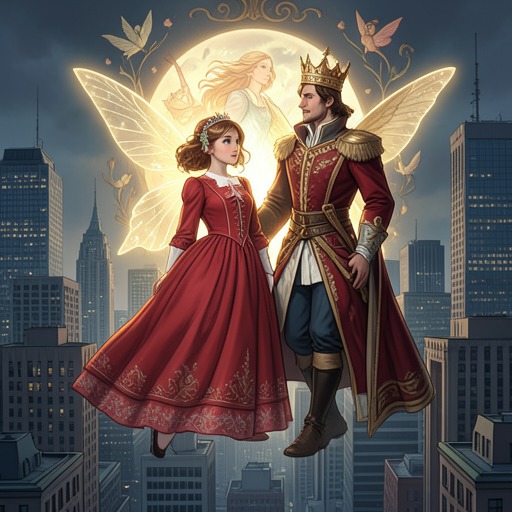
Cinder & Ella“Cinder und Ella” names both the anonymous friendship between Ella and Brian Oliver and the story they build from it: a relationship begun through literary disagreement, kept apart by hidden identities, and finally claimed in public by Brian. The phrase turns their private usernames into a shared identity, then into a declaration that the two of them—not celebrity expectations or a borrowed fairy-tale script—should decide whether their story can have a happy ending.
Origin of the names
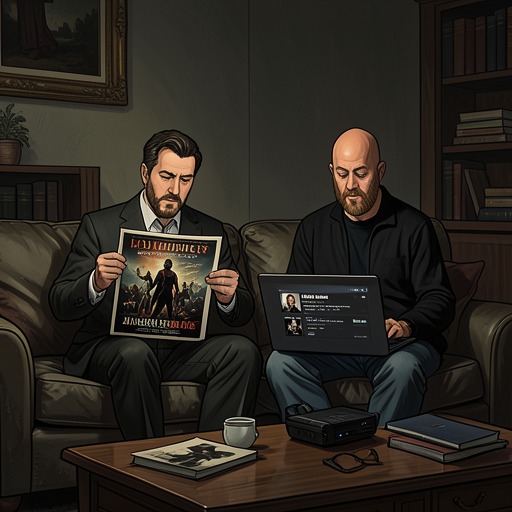
Brian says that he met Ella more than three years earlier through her blog, after finding a post about his favorite book series, The Ash Chronicles by L. P. Morgan. Ella had argued that Prince Cinder should choose Ellamara instead of Princess Ratana. Brian, who disagreed, responded with what he later remembers as a supposedly polite reader letter; Ella recalls that he called her stubborn, naive, and a feminist romantic. Their shared phrase begins not as a declaration of compatibility but as the name for a lively disagreement that gives them reason to keep writing.
The argument develops into an exchange of emails. Brian describes Ella as quickly becoming his best friend, although they had never met face to face. She came to know him deeply while remaining unaware that he was a famous film star; he, in turn, knew her only by her online identity. Their mutually concealed identities give the phrase its first meaning: “Cinder” and “Ella” are the names under which each can be known without the social facts that would otherwise define the relationship. Brian tells Kenneth Long that they knew only each other’s nicknames, and names them together as “Cinder and Ella.”
From screen names to recognition
The private bond crosses into the physical world at FantasyCon, where Ella attends a panel discussion about The Druid Prince. Neither expects the other to be there. At the actors-and-visitors gathering afterward, Ella thinks she is speaking with Brian Oliver, while Brian takes her for an ordinary fan. Their identities become clear when they begin discussing the books and fall into their old disagreement. The recognition is therefore mediated by the same literary dispute that first connected them: their argument identifies one another before either name can do so.
Brian recalls that the encounter lasted only about a minute, but says that afterward he was already in love with her. He links meeting Ella to his decision to end his relationship with Kaylee Summers, acknowledging on television that the breakup was unfair to Kaylee and that it hurt her. In telling the story, he presents the real meeting not as the beginning of their connection but as the instant when a longstanding anonymous friendship becomes an embodied possibility—and when the life organized around his public identity can no longer proceed as before.
A private bond made public
On Kenneth Long’s show, Brian announces that Ella is his best friend and begins explaining how they met. The revelation astonishes the audience and Kenneth: for all the public attention around Brian, their friendship had remained unknown, and Ella had not known who he was. Brian’s account brings the private history into public view, but it does not reduce it to a celebrity anecdote. He emphasizes the emails, the pseudonyms, the book debate, and the chance encounter, giving the audience the relationship’s actual sequence rather than simply attaching Ella to his fame.
He then turns from recounting the past to addressing Ella directly through the camera. Brian says that she has left his life but that he cannot accept losing her. He recalls her criticism of Prince Cinder for acting as others expected instead of following his heart, and declares that he will not be a coward in the same way. His choice is expressed through the story’s own names and terms: Cinder chooses his Ellamara, and he chooses Ella. The declaration reverses the old fictional dispute into a statement of personal intent; the prince’s choice is no longer merely a topic of correspondence but the language Brian uses to make his own choice public.
The invitation and its keepsake
Brian backs the declaration with a specific invitation. He says he still needs a companion for the premiere of The Druid Prince and wants to go with Ella because it is their film and their story, and because the book series is what brought them together. If she does not want to attend with him, he says he will still try to find her, even offering to date anyone who can help him make contact. The extravagant offer makes his pursuit a public spectacle, but the invitation itself returns to their shared point of origin: the story that first gave them a language for their bond.
He produces a ticket for the seat beside his at the premiere and says it will be left at the studio reception for the first person who can precisely identify an object Ella left behind the night they met, including two important details. He also tells Ella that her email address, chat details, and phone number are unchanged. The challenge turns an intimate keepsake into a public test, while the direct appeal offers a private route back to him. A pair of long white gloves provides the answer: Brian holds them up on camera, and Ella recognizes the gloves she had taken off him at their meeting. He had kept them, though she had not realized she left them behind. The object carries the anonymity-to-recognition arc in miniature: what Ella had forgotten became proof Brian retained from the moment their screen names met their real lives.
The fairy-tale ending put to the test
The names also hold a tension between fantasy and choice. Ella and Brian have borrowed the language of Prince Cinder and Ellamara since their first argument, but Brian’s televised appeal makes clear that the point is not simply to reenact a favorite story. He uses their literary disagreement to challenge the fear that his fame should decide what Ella can accept, and insists that neither of them should surrender their own choice to other people’s expectations. The fairy tale supplies the image; the public confession and invitation are actions taken in the present.
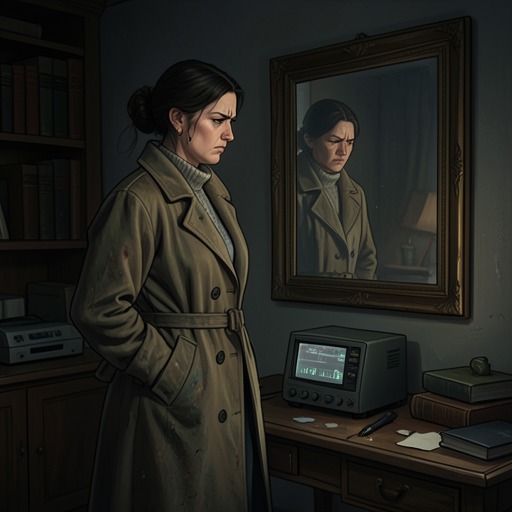
After the interview’s dramatic appeal, Dr. Parish switches off the television and the room falls silent as everyone waits for Ella’s response. Ella is overwhelmed, her heart beating wildly; Brian’s words have reached her, but the broadcast itself does not make her answer for her. The eventual final exchange echoes the ending he had been asking her to believe possible. When Brian stops amid the crowd and looks back at Ella, he proposes, “And they lived happily ever after.” The phrase closes the book on the fairy-tale language that began as an online argument, now spoken between the two people who have made it their shared story.